
Best Management Practices for Winter Maintenance of High Tunnels
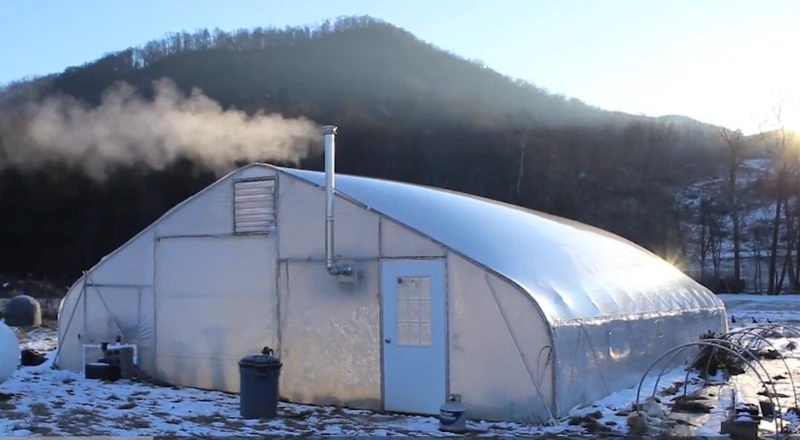
In this blog, we are going to focus on how harsh weather can be the biggest threat to High Tunnels, Hoops Houses, and Greenhouses.
Heavy winds and heavy snows can test the stability of even the strongest structure designs so it must be stated that if you do not take steps to protect your greenhouse in the winter, it might spell disaster.
Whether growing in a standard passive solar High Tunnel or a decked out full package greenhouse, your structure will almost certainly need some attention in the colder months to make sure it is not negatively impacted by inclement weather.
At Tunnel Vision Hoops we do offer a FREE Winter Maintenance Guide, which can be accessed here on our website. If you do not wish to share your email, the basics of what we cover will be outlined in this blog.
Before we get into winter defense however, it's worth noting that part of knowing your structure is understanding its baseline ability to withstand certain weather conditions.
Baseline Maintenence - Structural Framing
It is ideal to build a durable structure from the start, using galvanized steel framing, a gothic shape, and trusses with supports to set yourself up for success when it comes to withstanding snow loads.
If you have not purchased or built a structure yet, consider requesting a quote from Tunnel Vision Hoops for a building with these (5) important attributes:
- Large diameter heavy gauge steel tubing
- Minumum 4ft Bow spacing
- A gothic peaked top
- Truss rafters on all interior bows
- Higher sidewall height to provide more space for snow to pile along the long sides
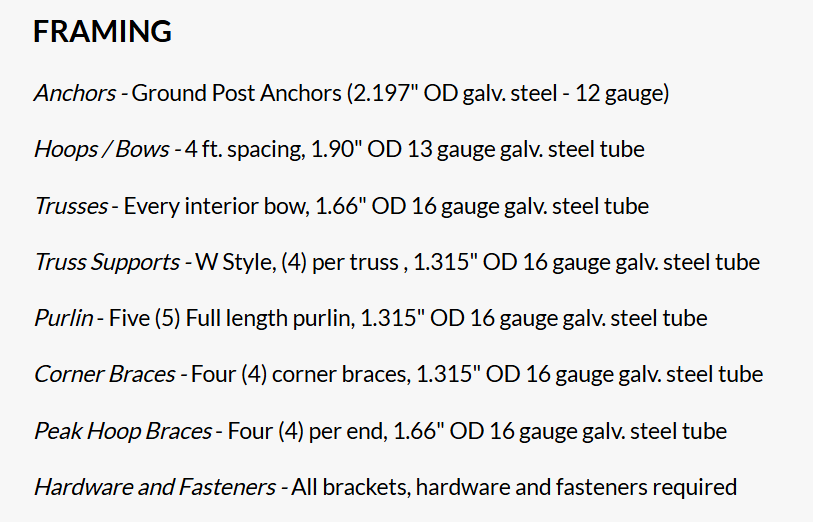
All standard Gothic Tunnel Vision Hoops structures are built with 4ft bow spacing and more can be read about the individual specs per structure here on our website.
For example, the below screenshot outlines the framing specs for our 30 ft. wide structure:
When it comes to active Winter Defense, we are talking about:
- Battening Down the Structure
- Adding Ventilation and Circulation to maintain Interior Temperatures
- Snow Removal Practices for the Structure
- Why Double Layer Inflated Tunnels are Beneficial
- Interior Crop Protection Methods
1. Battening Down the Structure and Sealing for Cold
Battening Down
The first step that most growers take to ready their structures for the winter is sealing them with removable Spring Wire.
Many high tunnels have spaces where cold air can easily get inside. For example, structures that have roll-up sides have pieces of plastic left unsecured through the duration of the summer growing season to allow for easy ventilation. When growing in the winter, it is important to seal this otherwise open flap to prevent cold air from entering the structure and to prevent damage to the plastic.
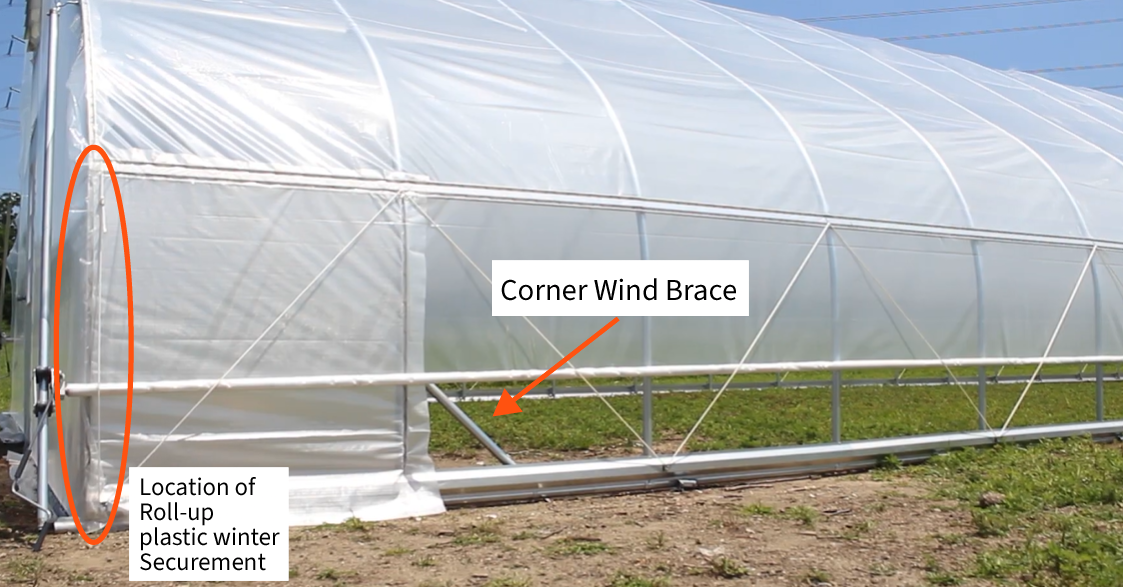
A Corner Wind Brace installed year-round can also assist with reducing wind entering the corners.
You may still need to vent using your roll-up sides or doors depending on your crop needs. If that is the case, the general rule of thumb is to not let the daytime temperature get higher than 40° from the expected night-time temperature.
Like any structure, entrance points and windows act as places where air exchange occur. High Tunnels are no different and you will want to seal any unused doors and vents on your structure. We recommend using a small piece of greenhouse plastic that is secured over the exterior of these ventilation components with Spring Wire.
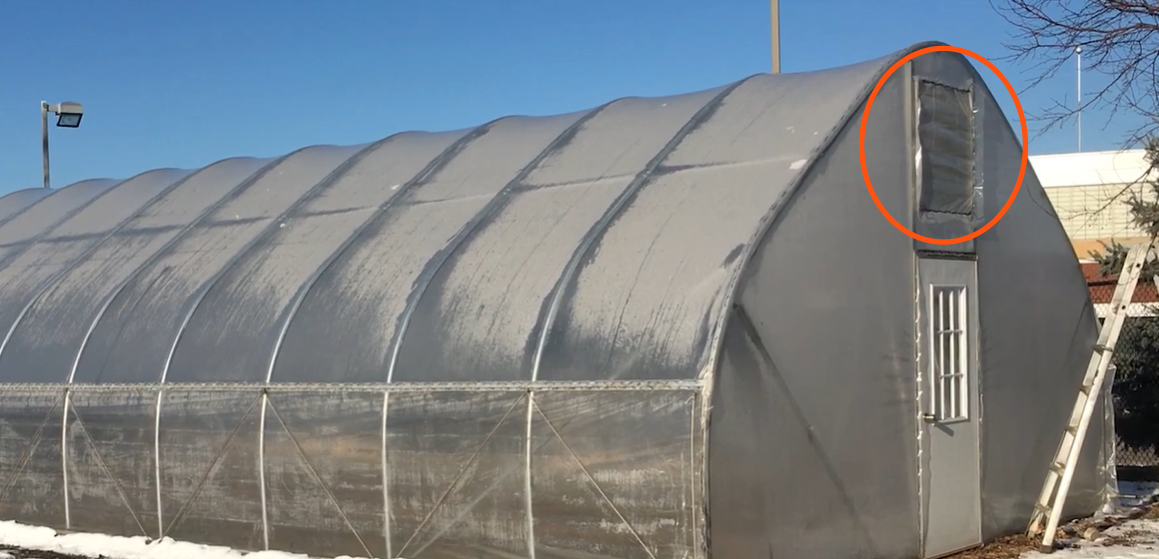
It is IMPORTANT to note that if you do cover your ventilation components to seal them for the winter you must disable whatever mechanism causes the vents to open until the weather improves and the ventilation components are needed again.
ALL non-electric wax tube cylinders should be removed in the coldest months to avoid damaging them. These can be re-installed when the weather improves and the vents are put back in operation.
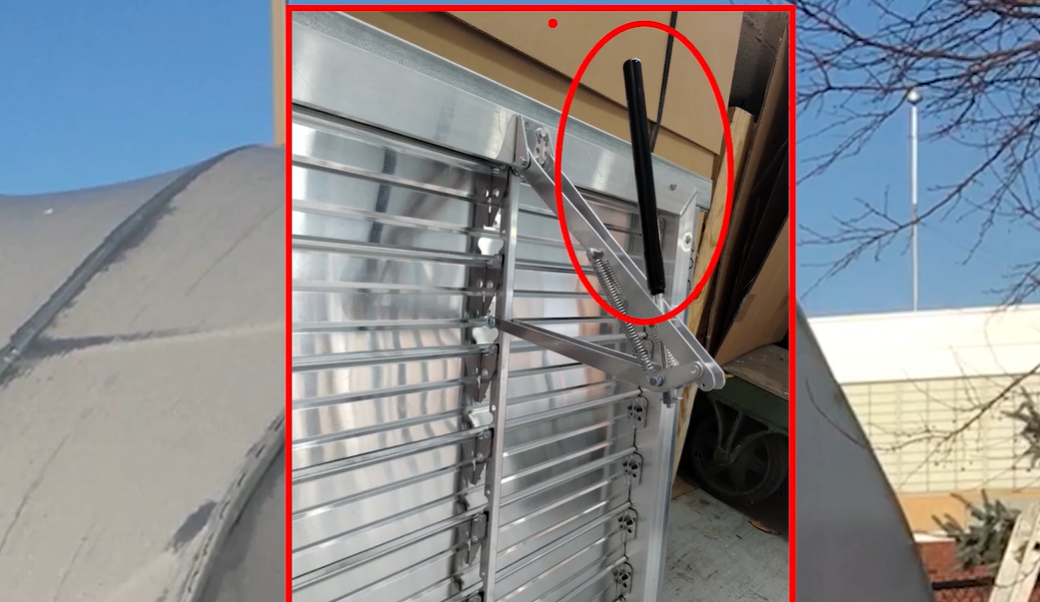
ALL Auto-Roll up side operator Motors MUST be disabled prior to any amount of snowfall. Failure to do so will result in a burn-out of the motor and/or ripping of the plastic. Only re-activate the motors after all threat of snow has passed and all debris has been cleared away.
Sealing Along the Perimeter
Depending on the type of site preparation that occured before the installation of your structure began, you may have small spaces along sections of your structure perimeter that allow for air transfer to occur.
These Perimeter Gaps can be addressed in the following ways:
- Add Backfill - add soil, gravel, etc. in the gaps from the ground up to the framing.
- Add Building Material - lumber, polycarbonate, or commonly sourced insulation that extends from the existing framing down to ground level can also help fill gaps if backfill is not an option.
- Add Backfill and Building Material - If you have a large gap it might make sense to add building material AND backfill it with gravel or soil to provide a longterm solution.
Removing Gutters
Not all high tunnels have gutters, but those that do, need to be removed for the winter months if snow is something that occurs in your climate.
This is recommended so that snow can more easily slide off the top of the tunnel.
Gutters prevent a "backing up" of snow at the hipail, which can cause too much snow to gather from the hiprail to the peak of the structure. This type of weight build up can break your gutters AND could cause unnecessary weight to build up on the high tunnel bows.
Removing Shade Cloth
As snow falls on a structure with shade cloth, that snow is far less likely to naturally slide off the tops and sides. For this reason shade cloth must be removed from the structure before any snow falls.
There are (2) Methods to remove Shade Cloth depending on how it was installed:
To remove Shade Cloth secured with Grommets and Rope:
- Loosen the rope and remove the rope from the grommets.
- If you are using grommet clips instead of factory installed grommets, clips can be removed at this stage.
- Shade Cloth can be slid off the structure, folded, and stored until the threat of show has passed.
To remove Shade Cloth secured with Spring Wire:
- Find an end of the spring wire at each location holding the shade cloth in place.
- Remove the wire to free the shade cloth from the structure.
- Shade Cloth can be slid off the structure, folded, and stored until the threat of show has passed.
2. Ventilation and Circulation
Ventilation might seem counter intuitive in winter and you might be asking, why would I want to release hot air? The health of your plants depends on it!
Stagnant warm air can lead to high humidity, condensation, and fungal disease. It is important to exchange warm moist air for cool dry air before condensation starts to occur.
This exchange of air most effeciently occurs with exhaust fans and power shutter intake vents that are linked to an environemental control panel or thermostat control. See more about how to set up a ventilation system in our previous Blog Post, Exhaust Fans in High Tunnel Greenhouses 101.
Circulation is also important for plant health and the efficient operation of ventilation and heating systems.
The movement of air withing your structure occurs via horizontal air flow (HAF) Fans. These help disperse warm and cold air pockets, mix cold dry air with moist warm air, and allow air to reach most plants in your structure.
3a. Snow Removal Practices - Along the Top
Once winter has arrived and you have battened down the structure for the cold, it's time to talk about what we recommend at Tunnel Vision Hoops to keep your tunnel safe from heavy winter snow.
First and foremost, it is incredibly important to monitor the weather and to physically go check on your high tunnel during winter storm events.
Here are a few methods to follow when you are removing snow from your high tunnel:
1a) The Hand Pat Method
- Wearing gloves, go inside the structure, and walk along the interior edge, patting the top cover as high up as you can reach. The vibrations will cause the snow to fall off the tunnel.
- This method works best with lower quantities of snow, but if you are around during a larger snow event, you can likely stay ahead of things by doing this every few hours during a storm.
2a) The Interior Broom Pat Method
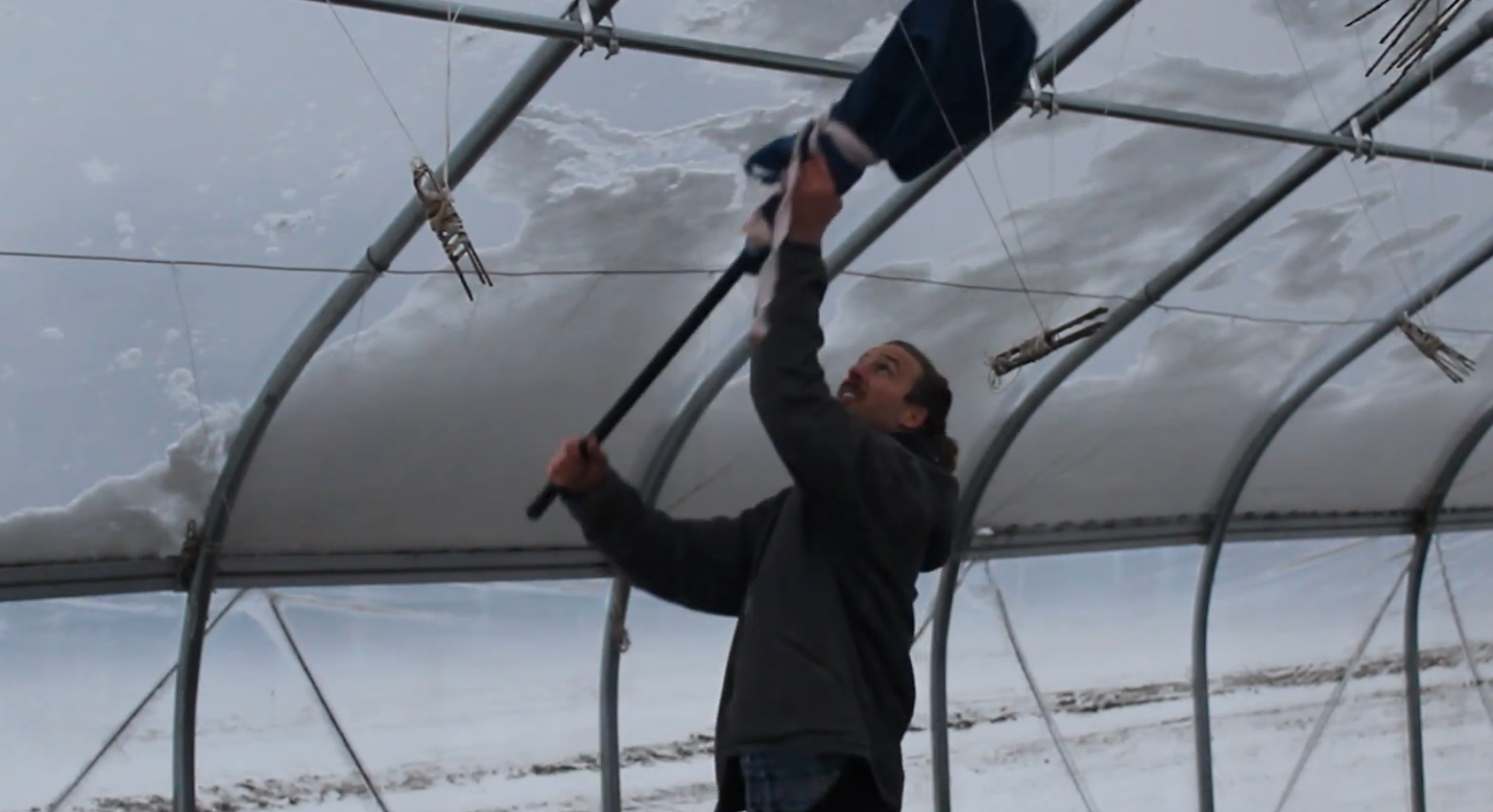
- When hand patting snow is not possible because too much snow has acculumated close to the peak, we recommend using something soft attached to a long handle to pat the snow from the inside.
- Brooms often work well but if you are worried about damaging the plastic, you can wrap the end with a towel or scrap cloth to reduce the abrasiveness of the broom.
3a) The Exterior Broom Push Method
- When snow buildup is too great for all removal to occur from the interior of the structure it is important to remove the snow from the exterior.
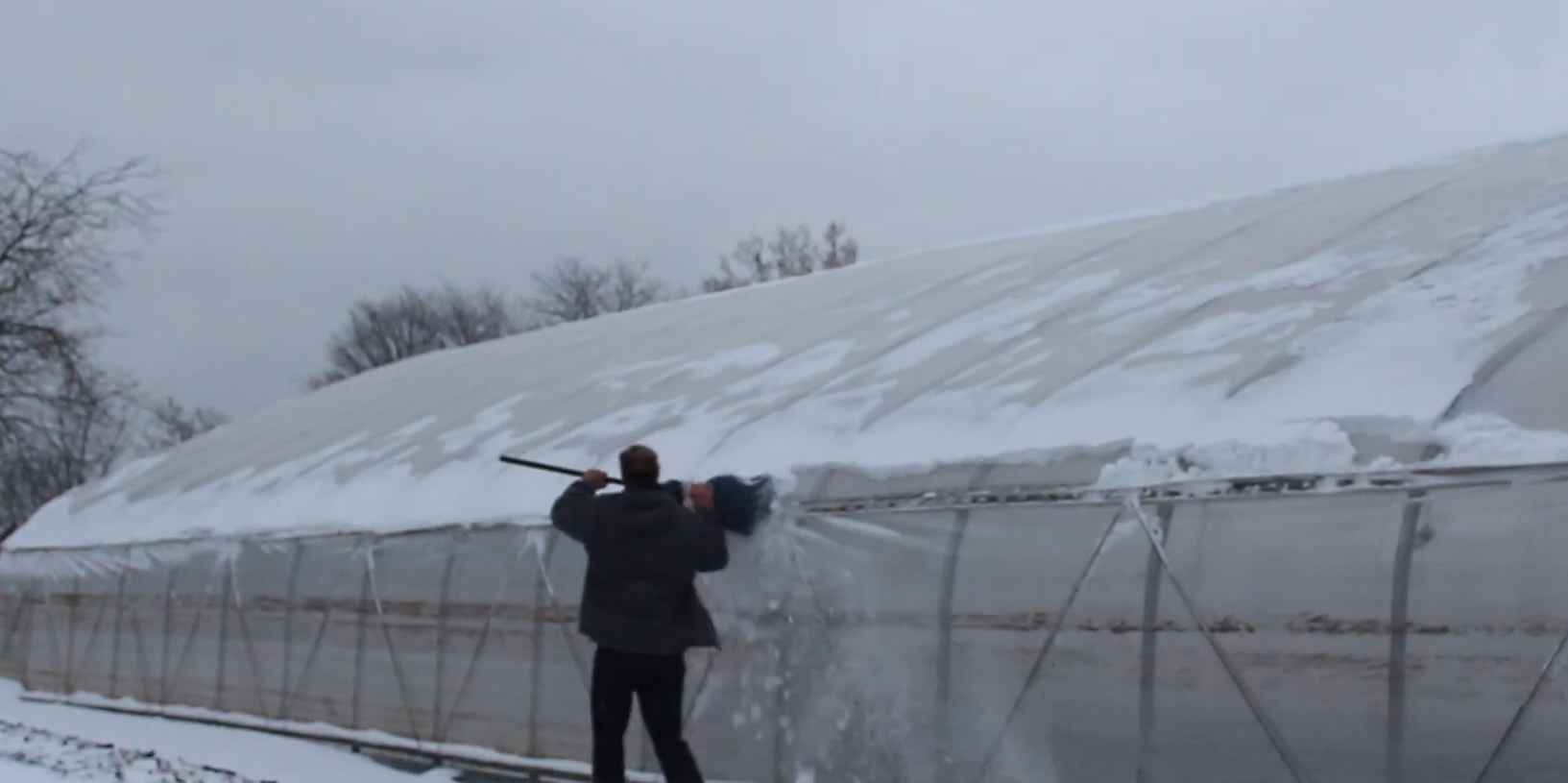
- Use a soft covered broom to pull snow from the peak down towards the hiprail.
- When necessary for significant snow build-up, you might need to "clear a path" along the length of your structure at the hiprail, so that the snow from the peak has a path to slide off as demonstrated in the photo below:
3b. Snow Removal Practices - Along the Sides
Some of the most important snow removal is done along the sides of the structure so that there is a place for snow to fall when putting the Top snow removal methods outlined above into practice.
If snow is built up at the hiprail, care should be taken to remove the snow that is along the sides. This can be done by shoveling a path along the length of your structure so that snow from the top and sides has a place to fall.
4. Double Layer Inflated Tunnels
Double Layer inflated tunnels are the superior choice for snow shedding and heat retention, but they must be kept running all winter long.
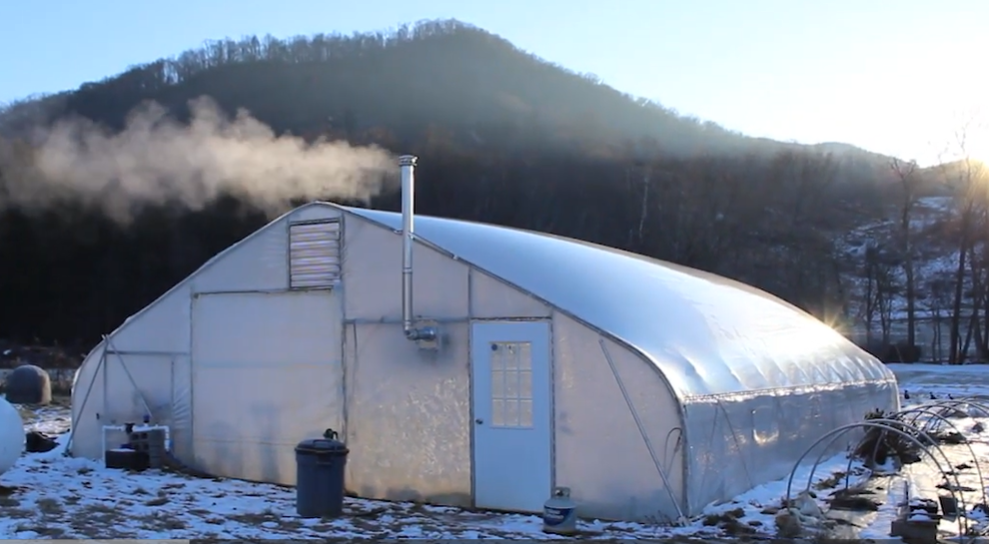
Stuctures with Double Layer inflated covers are 40% more efficient with heat rentention. Though it should be noted that the with improved heat retention, there is a trade-off with reduced light transmittance. A double layer results in 10% less light transmittance.
- The inflation creates pressure on the outer layer of poly and helps to push snow off the top.
- The air in-between poly layers will aid in heat retention.
- Inflated poly will eliminate pockets for snow accumulation that can occur when double layers are not inflated and resting on one another.
5. Interior Crop Protection
In general, crops need temperatures that are 40°F or warmer to grow and they must be receiving lots of sunlight. With that information in mind, some interior crop protection methods are better than others depending on your production goals.
Minimal Heating
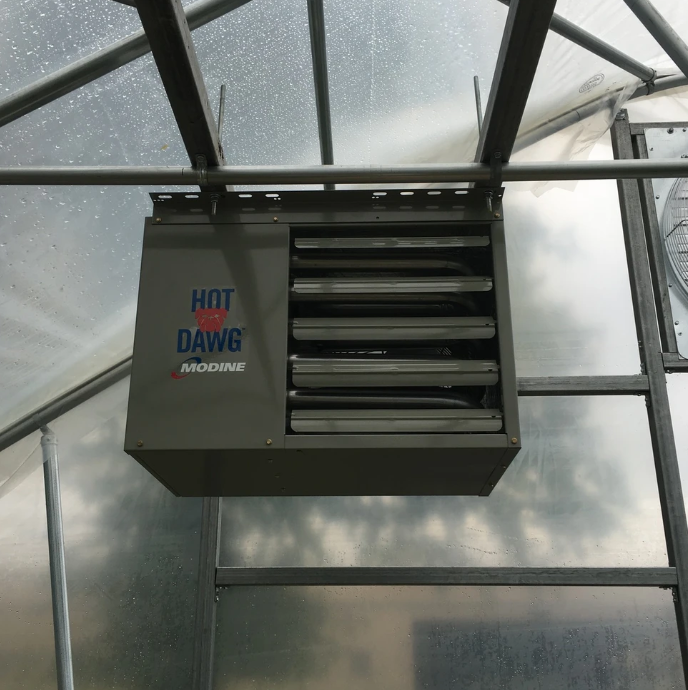
The use of a heating element to keep the space just above freezing is ideal if you are frequently harvesting, utilize the tunnel as a primary winter workspace, or have tender crops.
Keep in mind that heating air is the least efficient method for bringing your area up to a certain temperature.
Other heating options include passive solar heating with water or stone, rocket mass or wood burning heaters, and the most efficient in-ground heat with hot water tubes.
Row Cover
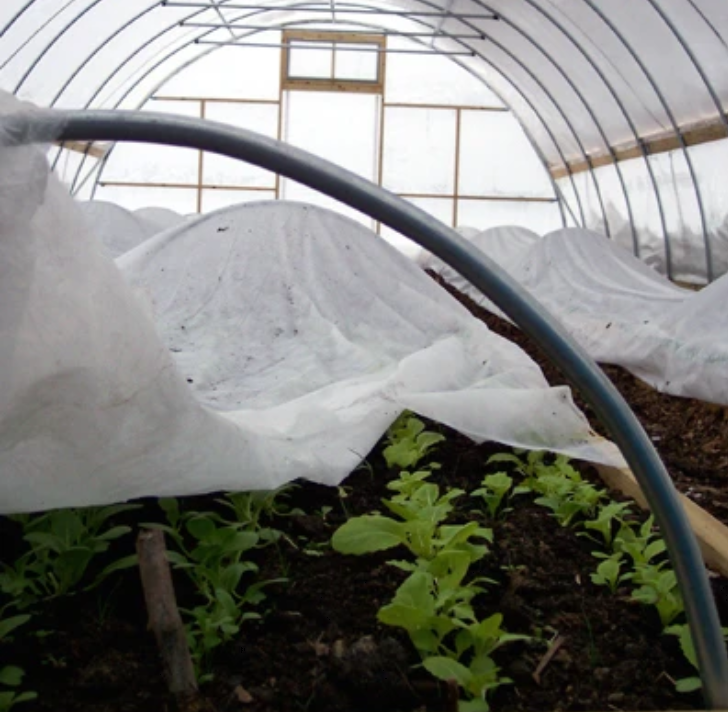
Floating row covers can be used to trap radiant heat from the soil overnight, creating condensation that acts as an insualting cloud or igloo around the plants.
Row covers must be supported with wire hoops or tension wire so that the fabric does not make direct contact with the plants and thereby reduces the change of crop damage. Additionally, it is best if the edges are sealed via burying them or by closely spacing sandbags around the edges.
Row Cover fabrics generally provide 2-8°F of frost protection. However, they also reduce light transmission, especially if multiple layers are used so 1.5oz row cover does tend to offer the best trade off between light transmission and frost protection.
Low Tunnels
These are a step-up from row cover because they utilize 6mil clear plastic in addition to, or in lieu of, fabric row cover. Poly is less susceptible to tearing or ripping than average fabric covers, so they are better adapted to frequent on-and-off handling.
Hopefully this guide helps you better prepare for the winter season. If you missed the OFFICIAL Winter Maintenance Guide shared at the beginning of this blog, it can be found again here.
If you are still in the beginning stages of planning for a high tunnel or planning to improve your current structure for winter growing and you would like to request a quote for any material or a full package tunnel kit please reach out by:
- Requesting a Quote here.
- Emailing us directly at info@tunnelvisionhoops.com
- Call us directly at 833-886-6351 ext 1.